Struggling to keep up with the ever-evolving world of luxury beauty trends? You’re not alone. The beauty industry moves fast, and what worked last year might not deliver the same glow today. This year, the focus has shifted toward a more intentional, science-backed approach that prioritizes skin health without sacrificing indulgence. Whether you’re a skincare enthusiast or just dipping your toes into high-end beauty, understanding these changes can help you curate a routine that’s both effective and luxurious.
Why This Year’s Luxury Beauty Trends Are Different
The biggest shift in luxury beauty trends this year is the move away from heavy, multi-step routines to a more streamlined, results-driven approach. Brands are now emphasizing quality over quantity, with formulations that target specific concerns while maintaining the skin’s natural barrier. This means fewer products, but each one is packed with potent, high-performance ingredients that deliver visible results.
Another key change is the rise of biotech and regenerative actives. These cutting-edge ingredients, like peptides and PDRN, are designed to work at a cellular level, promoting repair and rejuvenation. Unlike traditional skincare, which often focuses on surface-level improvements, these innovations offer long-term benefits that go beyond temporary hydration or brightness.
Prioritizing Skin Barrier Health
A healthy skin barrier is the foundation of any effective beauty routine, and this year’s luxury beauty trends are all about protecting and strengthening it. When your barrier is compromised, even the most expensive products won’t work as intended. Look for formulations rich in ceramides, cholesterol, and fatty acids—these ingredients help restore and maintain the skin’s natural protective layer.
One of the easiest ways to support your barrier is by simplifying your routine. Overloading your skin with too many active ingredients can lead to irritation and sensitivity. Instead, opt for a few high-quality products that work synergistically. A gentle cleanser, a barrier-repairing serum, and a nourishing moisturizer are often all you need to see a noticeable difference.
The Rise of Regenerative Actives
Regenerative actives are taking center stage in this year’s luxury beauty trends, and for good reason. Ingredients like peptides, growth factors, and PDRN (Polydeoxyribonucleotide) are designed to stimulate collagen production, improve elasticity, and accelerate cell turnover. These powerhouse ingredients are often found in serums and creams that target fine lines, wrinkles, and loss of firmness.
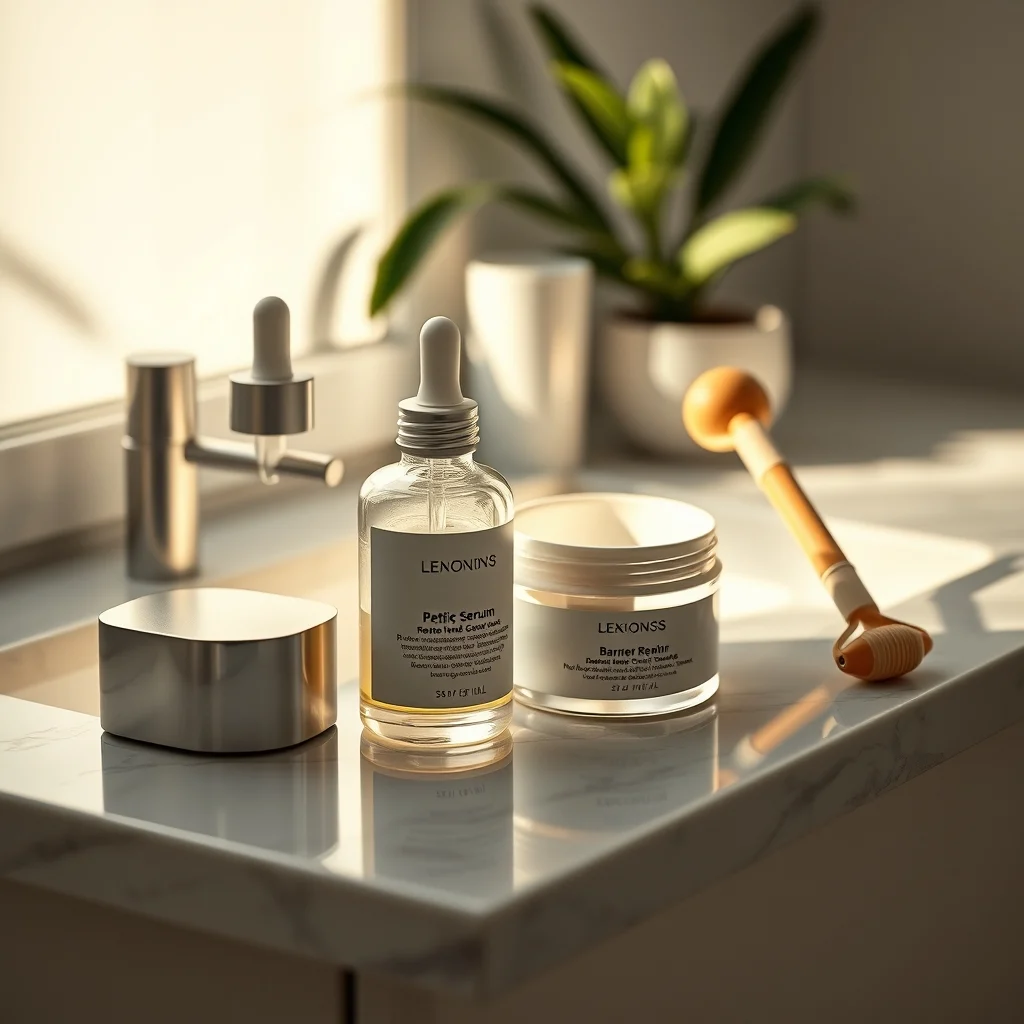
If you’re new to regenerative actives, start with a peptide-based serum. Peptides are small chains of amino acids that signal the skin to produce more collagen, helping to reduce the appearance of wrinkles over time. They’re gentle enough for most skin types and can be layered with other products without causing irritation. For a more advanced option, look for formulations that combine peptides with PDRN or other biotech ingredients for enhanced results.
Skinimalism: Less Is More
The concept of skinimalism—minimalist skincare with maximum impact—has gained traction in recent years, and it’s now a cornerstone of luxury beauty trends. This approach encourages using fewer products but choosing ones that deliver multiple benefits. For example, a well-formulated moisturizer can hydrate, repair the barrier, and provide antioxidant protection all in one step.
Skinimalism isn’t just about reducing the number of products in your routine; it’s also about being mindful of how each product interacts with your skin. Layering too many active ingredients can lead to irritation, especially if they have overlapping functions. Instead, focus on products that complement each other and address your specific concerns without overloading your skin.
Luxury Meets Sustainability
This year’s luxury beauty trends aren’t just about performance—they’re also about sustainability. More brands are prioritizing eco-friendly packaging, ethically sourced ingredients, and cruelty-free formulations. Consumers are increasingly aware of the environmental impact of their beauty routines, and luxury brands are responding by offering products that are as kind to the planet as they are to the skin.
When shopping for luxury beauty products, look for brands that use recyclable or refillable packaging. Some high-end brands even offer refill programs, allowing you to reuse your existing containers while reducing waste. Additionally, consider products with sustainably sourced ingredients, such as plant-based actives or lab-grown alternatives that minimize environmental harm.
How to Incorporate These Trends Into Your Routine
Ready to embrace this year’s luxury beauty trends? Start by assessing your current routine and identifying areas where you can simplify. Swap out products that aren’t delivering results for ones that focus on barrier repair, regenerative actives, or multi-functional benefits. Remember, the goal is to create a routine that’s effective, luxurious, and sustainable.
If you’re unsure where to begin, a peptide serum or a barrier-repairing moisturizer is a great starting point. These products are versatile, work well with most skin types, and can be easily incorporated into any routine. As you become more comfortable, you can explore other regenerative actives or sustainable options to further enhance your regimen.
Your skin deserves the best, and this year’s luxury beauty trends make it easier than ever to achieve a radiant, healthy complexion. By focusing on quality, sustainability, and science-backed ingredients, you can create a routine that not only looks good but feels good too. Start small, be consistent, and let your skin’s natural glow shine through.
For more information on skincare ingredients and their benefits, visit the American Academy of Dermatology.
You may also like
-
Luxury Beauty Trends: Quick Tips for Busy People Who Want Glowing Skin
-
Luxury Beauty Trends: The Rise of Peptide & Regenerative Actives for Next-Level Skin Renewal
-
Luxury Beauty Trends: A Barrier-First Approach for Busy Professionals
-
Luxury Beauty Trends: Barrier-First Skinimalism for Effortless Glow
-
Luxury Beauty Trends: Glass Skin 2.0 for Every Skin Type