
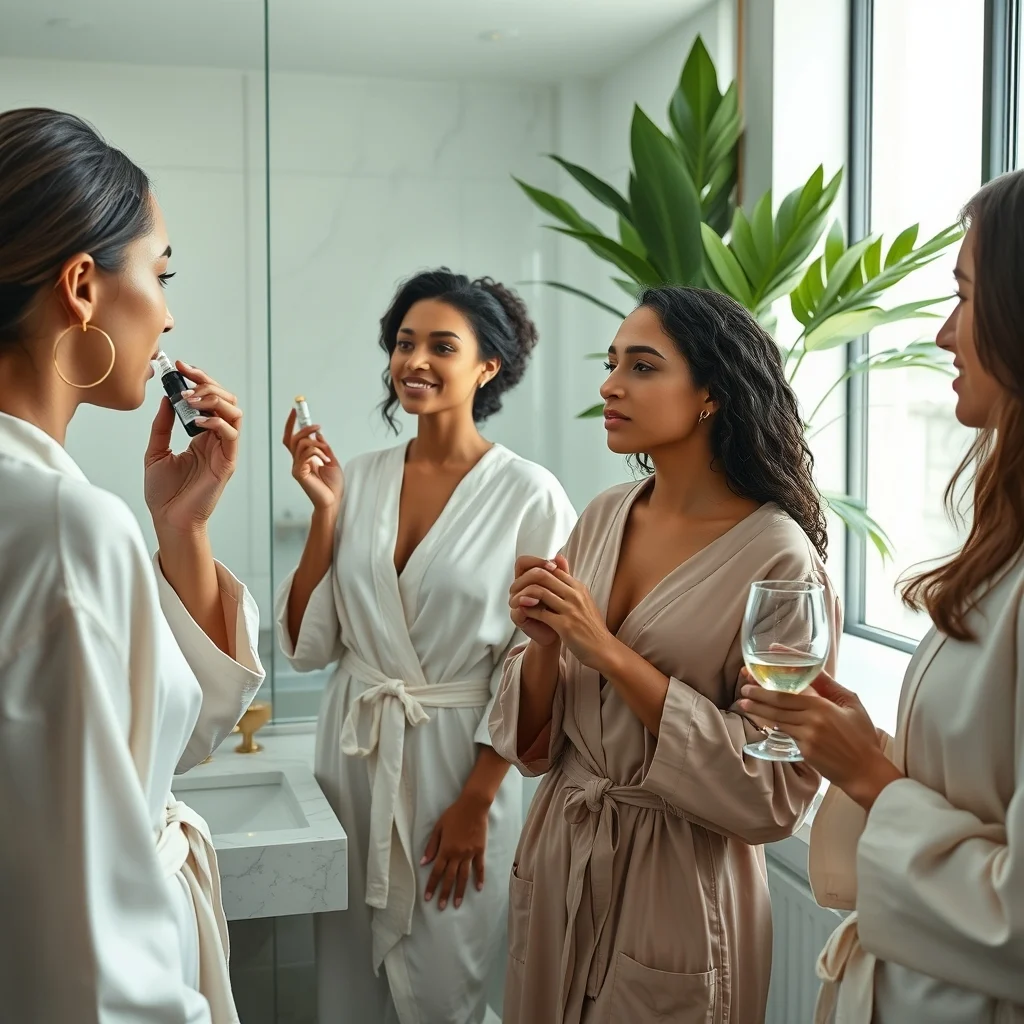
Imagine waking up to skin that looks so radiant, people ask if you’ve just returned from a tropical vacation. The secret isn’t an expensive serum or a last-minute facial—it’s understanding your skin’s natural rhythm and aligning your beauty & skincare routine with its biological clock. Science shows that our skin’s ability to absorb nutrients, repair damage, and defend against environmental stressors fluctuates throughout the day. Yet, most of us follow the same routine morning and night, missing out on the opportunity to optimize our skin’s potential. If you’ve ever wondered why your glow feels inconsistent, the answer might lie in the timing of your habits.
The Skin’s Circadian Rhythm: Why Timing Matters in Beauty & Skincare
Your skin doesn’t operate on a 24-hour autopilot—it follows a circadian rhythm, just like your sleep-wake cycle. Research published in the Journal of Investigative Dermatology reveals that skin cells are most receptive to repair and regeneration between 11 PM and 4 AM, when cortisol levels are low and cell turnover peaks. During the day, your skin shifts into defense mode, producing more sebum to protect against pollutants and UV damage. This means your morning and evening skincare routines should serve different purposes.
For example, applying a hydrating serum at night when your skin’s permeability is higher allows active ingredients like hyaluronic acid to penetrate deeper. Conversely, daytime routines should focus on protection, with antioxidants like vitamin C shielding your skin from free radicals. Ignoring these natural cycles is like watering a plant at midnight—it’s not wrong, but it’s not as effective as it could be.
Morning: The Defense Phase of Your Beauty & Skincare Routine
Your morning routine should act as a shield, preparing your skin to face the day’s challenges. Start with a gentle cleanser to remove overnight impurities without stripping your skin’s natural oils. Follow with an antioxidant-rich serum—think vitamin C or ferulic acid—to neutralize free radicals from pollution and UV exposure. These ingredients also brighten your complexion, giving you that coveted morning glow.
Next, layer on a lightweight moisturizer with SPF. Sunscreen is non-negotiable, even on cloudy days, as UV rays are responsible for up to 80% of visible aging. If you’re using a separate sunscreen, apply it after your moisturizer to ensure even coverage. For those with oily skin, opt for a mattifying formula to control shine, while dry skin types may prefer a hydrating SPF with added ceramides.
Evening: The Repair Phase of Your Beauty & Skincare Routine
As the sun sets, your skin shifts into repair mode. This is the time to focus on regeneration and nourishment. Begin with a double cleanse—first with an oil-based cleanser to dissolve makeup and sunscreen, followed by a water-based cleanser to remove sweat and impurities. This two-step process ensures your skin is a clean slate for the rest of your routine.
After cleansing, apply a treatment serum tailored to your skin’s needs. Retinol, peptides, or niacinamide are excellent choices for stimulating collagen production and fading dark spots. If you’re new to retinol, start with a low concentration and gradually increase usage to avoid irritation. Follow with a richer moisturizer or night cream to lock in hydration and support your skin’s overnight repair process.
Syncing Your Beauty & Skincare Routine with Your Lifestyle
Your skin’s rhythm isn’t just about the time of day—it’s also influenced by your lifestyle. Stress, diet, and sleep quality all play a role in how well your skin functions. For instance, chronic stress elevates cortisol levels, which can trigger breakouts and accelerate aging. Incorporating stress-reducing practices like meditation or deep breathing into your routine can indirectly improve your skin’s health.
Similarly, what you eat affects your skin’s appearance. Foods rich in omega-3 fatty acids, like salmon and walnuts, help maintain your skin’s lipid barrier, while sugar and processed foods can contribute to inflammation and breakouts. Hydration is equally important—aim for at least eight glasses of water a day to keep your skin plump and glowing.
Sleep is another critical factor. During deep sleep, your body produces growth hormones that stimulate cell regeneration. Poor sleep quality can lead to dull skin, dark circles, and a weakened skin barrier. To optimize your sleep for better skin, establish a consistent bedtime routine, keep your bedroom cool and dark, and avoid screens an hour before bed.
Personalizing Your Beauty & Skincare Routine for Maximum Glow
No two skin types are exactly alike, which is why a one-size-fits-all approach to beauty & skincare rarely works. To personalize your routine, start by identifying your skin type—oily, dry, combination, or sensitive—and any specific concerns, such as acne, hyperpigmentation, or fine lines. From there, you can select products and ingredients that address your unique needs.
For example, if you have oily skin, look for lightweight, non-comedogenic products that won’t clog your pores. Ingredients like salicylic acid and niacinamide can help regulate sebum production and minimize breakouts. If dryness is your primary concern, opt for hydrating ingredients like hyaluronic acid, glycerin, and ceramides to restore your skin’s moisture barrier.
Don’t forget to listen to your skin. If a product causes redness, irritation, or breakouts, it’s a sign that it’s not right for you. Patch-test new products before applying them to your face, and introduce one new product at a time to monitor how your skin reacts. Over time, you’ll develop a routine that works in harmony with your skin’s natural rhythm, revealing a healthier, more radiant complexion.
The Role of Consistency in Achieving Long-Term Results
While it’s tempting to chase the latest skincare trends, consistency is the key to long-term results. Your skin’s natural rhythm doesn’t change overnight, and neither should your routine. Stick with your regimen for at least four to six weeks to see noticeable improvements. This is the average time it takes for your skin to complete a full cell turnover cycle.
That said, it’s important to adjust your routine as your skin’s needs evolve. Seasonal changes, hormonal fluctuations, and aging can all impact your skin’s behavior. For example, you might need a richer moisturizer in the winter and a lighter formula in the summer. Regularly reassess your routine to ensure it’s still aligned with your skin’s current state.
Your skin is a dynamic organ that thrives on rhythm and routine. By syncing your beauty & skincare habits with its natural cycles, you’re not just following a trend—you’re working with your skin’s biology to unlock its full potential. Start by paying attention to how your skin responds to different products and timings, and don’t be afraid to experiment until you find what works best for you. The result? Skin that doesn’t just look good today, but glows effortlessly for years to come.
You may also like
-
Structured Data and Beauty Discovery: Making Online Advice Easier to Trust
-
The Beauty & Skincare Glow Shift: How Tiny Tweaks Can Unlock Your Skin’s Hidden Brilliance
-
The Beauty & Skincare Glow Equation: How to Balance Ingredients, Lifestyle, and Science for Skin That Shines
-
The Beauty & Skincare Mindset: How Psychological Shifts Can Unlock Your Skin’s Full Potential
-
The Beauty & Skincare Glow Formula: How to Nourish Your Skin from Within for Lasting Radiance