
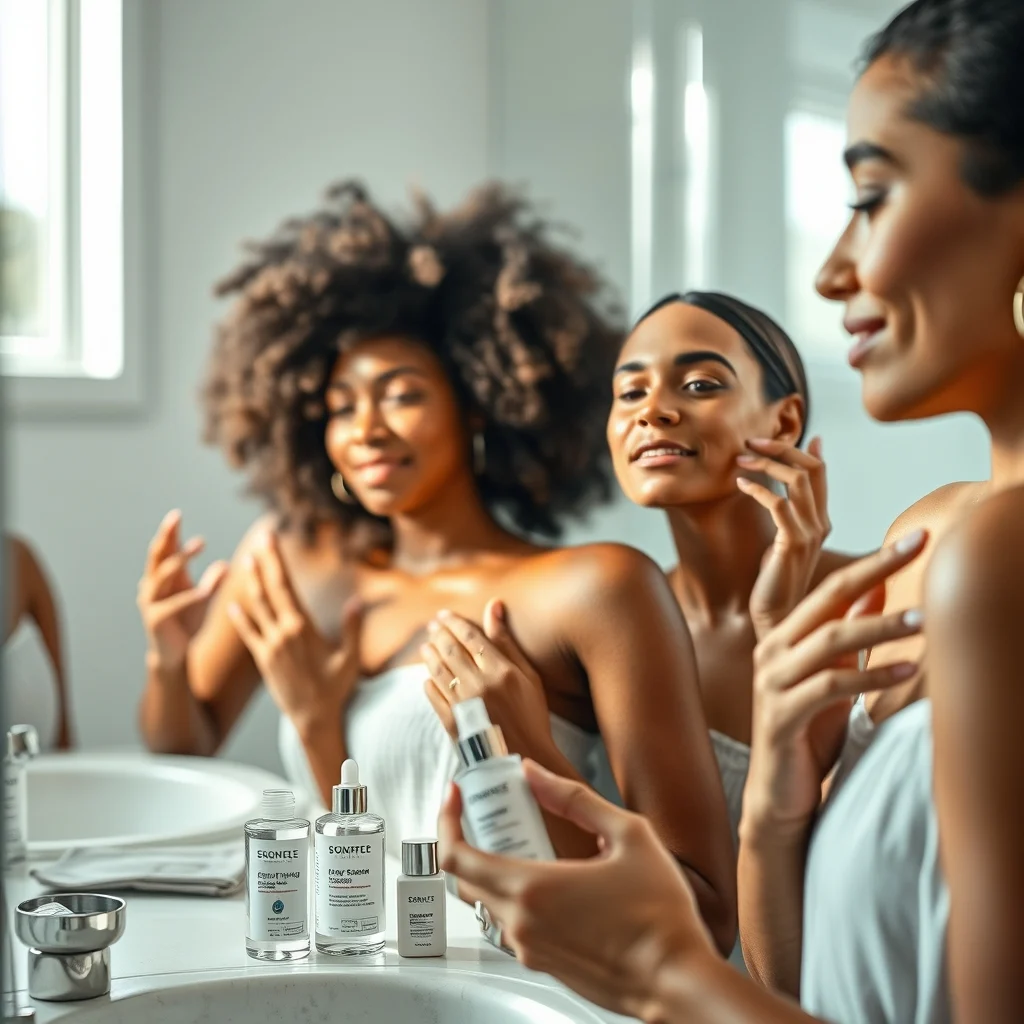
Imagine waking up to skin that looks so healthy and radiant, you barely need makeup. That dream is closer than you think—without expensive treatments or complicated routines. The secret to effortless beauty & skincare isn’t in chasing every new product or trend; it’s in mastering a few small, consistent habits that work together to transform your complexion over time. Whether you’re a skincare novice or a seasoned enthusiast, these science-backed strategies will help you achieve a glow that lasts, no matter your age or skin type.
The Foundation of Flawless Skin: Consistency Over Complexity
One of the biggest mistakes people make in their skincare routine is overcomplicating it. Layering too many products or switching formulas too often can irritate the skin and disrupt its natural balance. Instead, focus on a simple, consistent regimen tailored to your skin’s unique needs. Start with the basics: a gentle cleanser, a hydrating moisturizer, and a broad-spectrum sunscreen. These three steps form the backbone of any effective beauty & skincare routine and protect your skin from environmental damage while maintaining its moisture barrier.
Consistency is key because skin cells renew every 28 to 40 days. That means the results of your efforts today won’t be fully visible for weeks. Stick with your routine, and you’ll start to notice a smoother texture, fewer breakouts, and a more even tone. If you’re tempted to try every viral product, remember: less is often more when it comes to skincare.
Hydration: The Unsung Hero of a Glowing Complexion
Hydration isn’t just about drinking water—though that’s important too. It’s about ensuring your skin retains moisture throughout the day. Dehydrated skin can look dull, feel tight, and even produce excess oil to compensate, leading to breakouts. To combat this, incorporate a hydrating serum or essence into your routine. Look for ingredients like hyaluronic acid, glycerin, or aloe vera, which draw moisture into the skin and lock it in.
Moisturizers play a crucial role here, too. Opt for one that suits your skin type—lightweight gels for oily skin, richer creams for dry skin, and something in between for combination skin. Don’t forget to apply your moisturizer to damp skin to seal in hydration. And if you’re using active ingredients like retinol or exfoliants, always follow up with a moisturizer to prevent irritation and maintain your skin’s moisture barrier.
Why Your Skin Craves Internal Hydration
While topical hydration is essential, what you put into your body matters just as much. Drinking enough water supports your skin’s elasticity and helps flush out toxins that can lead to breakouts or inflammation. Aim for at least eight glasses a day, and consider adding hydrating foods to your diet, like cucumbers, watermelon, and leafy greens. Herbal teas and coconut water are also great options to keep your skin plump and glowing from the inside out.
Sun Protection: The Non-Negotiable Step for Ageless Skin
If there’s one skincare habit that can prevent premature aging, it’s wearing sunscreen every single day. UV rays are responsible for up to 80% of visible signs of aging, including wrinkles, dark spots, and loss of elasticity. Yet, many people skip this step, especially on cloudy days or when they’re indoors. The truth is, UV rays penetrate windows and clouds, so daily protection is a must.
Choose a broad-spectrum sunscreen with an SPF of at least 30, and apply it as the last step in your morning routine. If you wear makeup, look for a moisturizer or foundation with SPF for added convenience. Reapply every two hours if you’re spending time outdoors, and don’t forget often-missed areas like your neck, ears, and hands. Over time, this simple habit will keep your skin looking youthful and even-toned.
Myth-Busting: Sunscreen and Skin Types
There’s a common misconception that people with darker skin tones don’t need sunscreen. While it’s true that melanin offers some protection against UV rays, it’s not enough to prevent sun damage or skin cancer. Everyone, regardless of skin tone, should wear sunscreen daily. Similarly, those with oily skin often avoid sunscreen for fear of breakouts. The good news? There are plenty of lightweight, non-comedogenic formulas designed specifically for oily or acne-prone skin.
Gentle Exfoliation: The Key to Smooth, Radiant Skin
Exfoliation is a game-changer for achieving a smooth, glowing complexion. By removing dead skin cells, exfoliants help your skincare products penetrate deeper and work more effectively. However, it’s easy to overdo it, which can lead to irritation or a compromised skin barrier. The key is to exfoliate gently and consistently, rather than aggressively.
There are two main types of exfoliants: physical and chemical. Physical exfoliants, like scrubs, use small particles to slough off dead skin. While they can be effective, they can also be too harsh if not used carefully. Chemical exfoliants, on the other hand, use acids like AHAs (glycolic, lactic) or BHAs (salicylic) to dissolve dead skin cells. These are often gentler and more suitable for sensitive skin. Start with a low concentration and gradually increase as your skin builds tolerance.
How Often Should You Exfoliate?
The frequency of exfoliation depends on your skin type and the product you’re using. For most people, 1-3 times a week is ideal. If you have sensitive skin, stick to once a week and opt for a mild exfoliant. Oily or acne-prone skin can handle more frequent exfoliation, but always listen to your skin. If you notice redness, irritation, or increased sensitivity, scale back and give your skin time to recover.
Sleep and Stress: The Hidden Factors in Your Skincare Routine
Your beauty & skincare routine doesn’t end when you apply your night cream. What happens while you sleep—and how you manage stress—plays a huge role in your skin’s health. During sleep, your skin goes into repair mode, producing collagen and repairing damage from the day. Skimping on sleep can lead to dull skin, dark circles, and even breakouts. Aim for 7-9 hours of quality sleep each night to give your skin the time it needs to rejuvenate.
Stress, too, can wreak havoc on your complexion. When you’re stressed, your body produces cortisol, a hormone that can trigger inflammation and breakouts. It can also disrupt your skin’s moisture barrier, leading to dryness or excess oil production. To combat stress, incorporate relaxation techniques into your daily routine, like meditation, deep breathing, or gentle exercise. Your skin will thank you with a clearer, more radiant appearance.
Nighttime Skincare: Maximizing Your Skin’s Repair Process
Your nighttime routine is the perfect opportunity to give your skin a little extra love. While you sleep, your skin’s permeability increases, making it more receptive to active ingredients. Consider adding a retinol product to your routine, which can boost collagen production and reduce fine lines. Just remember to start slow—once or twice a week—to avoid irritation. Follow up with a nourishing night cream to lock in moisture and support your skin’s natural repair process.
Small, consistent habits are the foundation of a skincare routine that delivers real results. Whether it’s applying sunscreen every morning, staying hydrated, or getting enough sleep, these simple steps add up to a complexion that looks healthy, radiant, and effortlessly beautiful. Start with one or two changes, and build from there. Over time, you’ll see the difference—not just in your skin, but in how you feel about yourself. And that’s the kind of glow that no product can replicate.
You may also like
-
Structured Data and Beauty Discovery: Making Online Advice Easier to Trust
-
The Beauty & Skincare Glow Shift: How Tiny Tweaks Can Unlock Your Skin’s Hidden Brilliance
-
The Beauty & Skincare Glow Equation: How to Balance Ingredients, Lifestyle, and Science for Skin That Shines
-
The Beauty & Skincare Glow Matrix: How to Sync Your Routine with Your Skin’s Natural Rhythm
-
The Beauty & Skincare Mindset: How Psychological Shifts Can Unlock Your Skin’s Full Potential